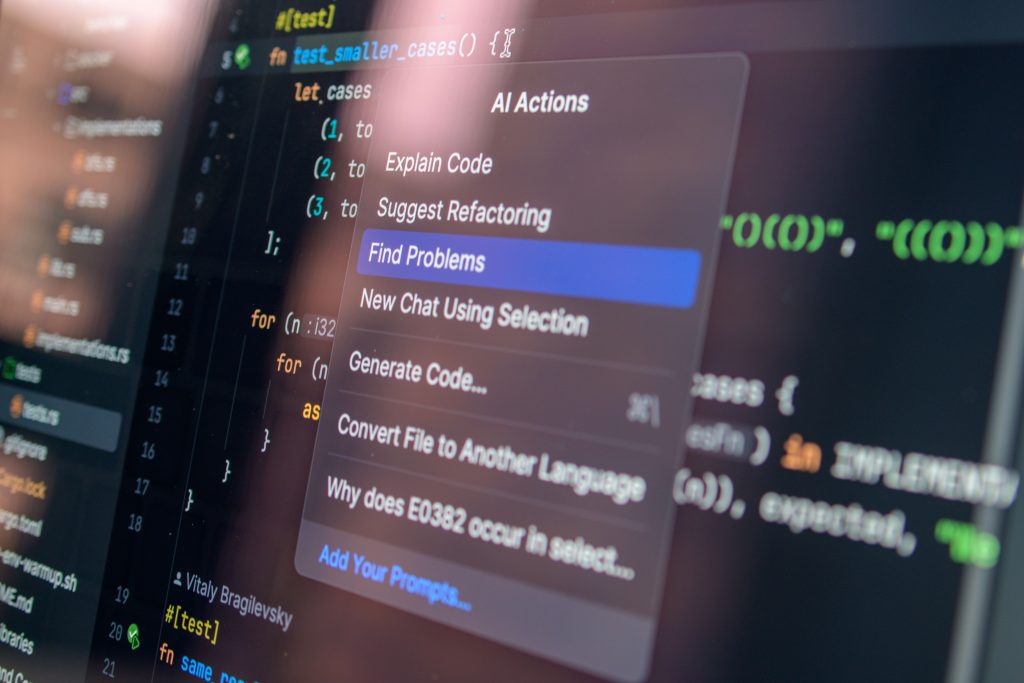

The Impact of AI on SEO Content Creation: Streamlining Processes at the Expense of Creativity
In recent years, artificial intelligence has revolutionized many aspects of digital content creation, particularly in the realm of Search Engine Optimization (SEO). Modern tools can generate outlines, drafts, and keyword mappings with remarkable speed, transforming what once took hours into a matter of minutes. The efficiency gains are undeniable, allowing content creators to produce large volumes of material in a fraction of the time.
However, while AI’s capabilities have undeniably enhanced productivity, they also introduce new challenges—particularly concerning the unique human touch that makes content engaging and memorable. Many writers and marketers have observed a shift in the final product: despite being well-structured and technically sound, AI-generated content often lacks the warmth, humor, and originality that resonate with audiences. The result can be a sea of articles that, while informative and optimized, blend into one another, losing distinctive voice and personality.
This phenomenon raises an important question for digital content strategists: As AI simplifies the technical aspects of writing, does it also diminish the creative essence? The widespread use of AI tools has led to an abundance of similar voices and styles, making it increasingly challenging to stand out in a saturated market. The focus is shifting from simply producing more content to crafting pieces that feel authentic, personal, and compelling.
In conclusion, while AI has significantly expedited SEO content creation, it also underscores the importance of human ingenuity. The future of successful digital marketing will likely depend on our ability to find a balance—leveraging AI for efficiency while nurturing the creativity that truly engages and captivates audiences. Content creators must ask themselves: how can we harness these technological advances without sacrificing the originality that makes our work meaningful?